
Forget blockbuster exhibitions – often the most unforgettable stories are waiting at the roadside museum you didn’t plan to visit.
Hundreds of thousands of tourists travel across regional Queensland every year. Yet some of the best storytelling sites and memorable places along these travel routes are often overlooked.
Small museums – AKA tourism underdogs – are constantly battling limited to no funding, tourism and entertainment competition, and a reduction of regional resources. Nonetheless, the passionate teams of volunteers and staff who run these iconic museums persevere to represent the human side of heritage and showcase important, local stories.
Don’t believe me?
Here are 5 things I’ve learnt from regional museums that you likely wouldn’t find in a major institution:
…
At Clermont Museum, nestled on Wangan and Jagalingou Country, is Clermont Curiosities, an exhibition featuring mysterious and captivating items from their curious collections. Amongst typewriters, trophies, snakeskin jackets and roller skates is an ‘1880 Iron Horse’ steam train decanter.
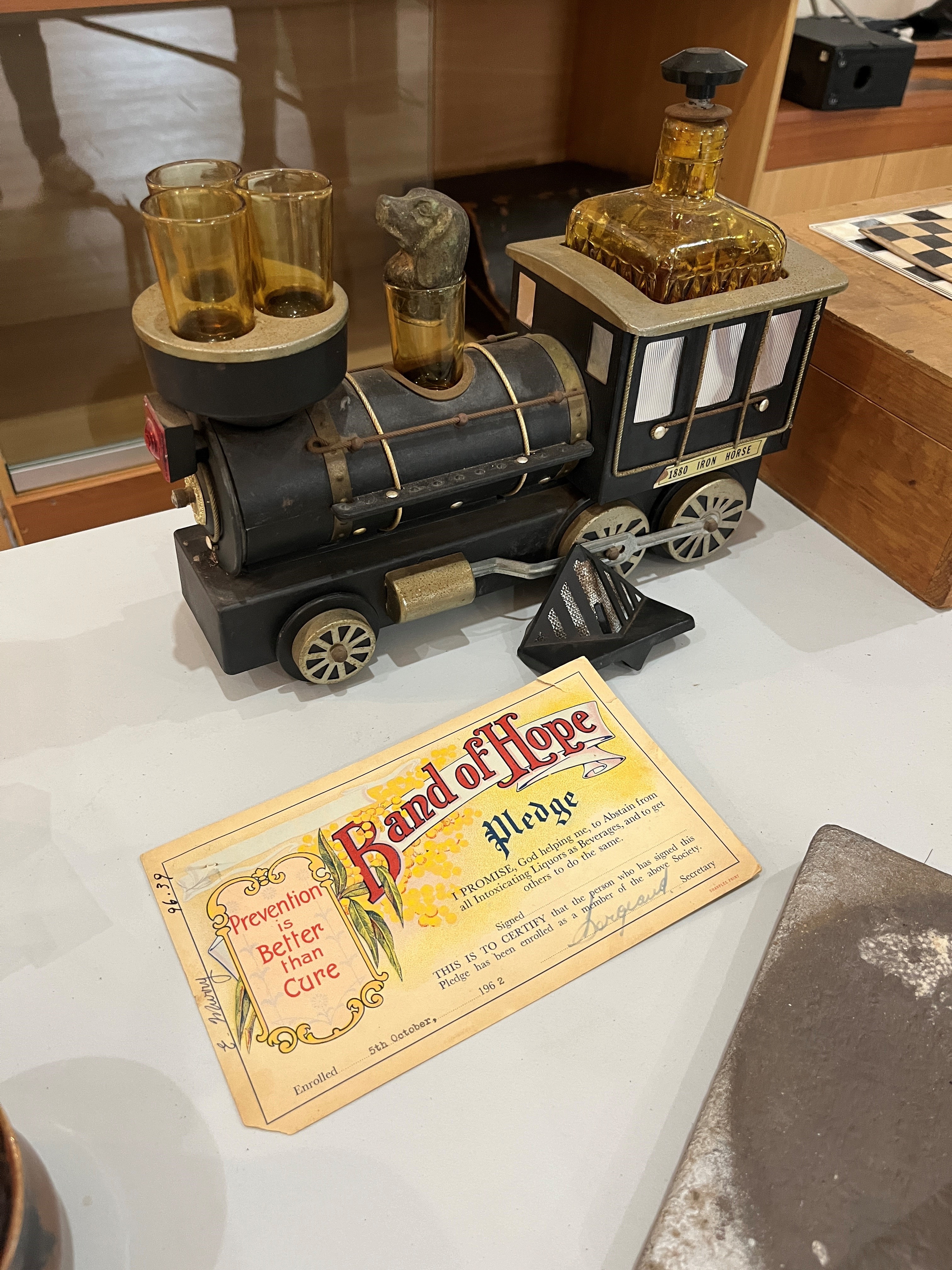
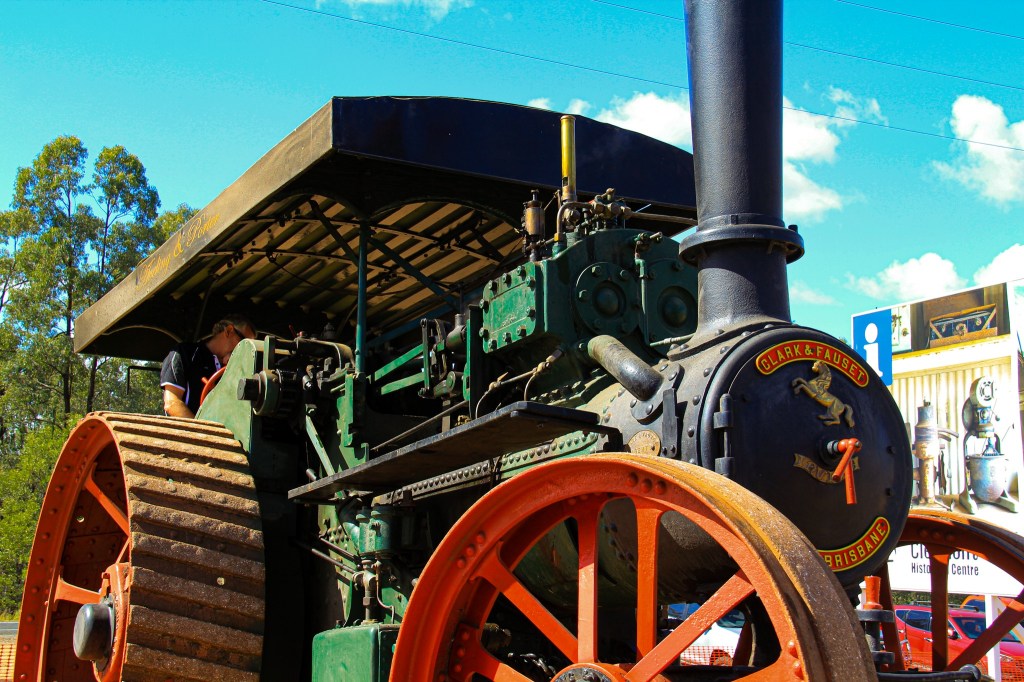
Not only is it quirky – and well placed next to the Band of Hope pledge to ‘abstain from all intoxicating liquors’ – but it is also a clever nod to the steam engines and large machinery on display outside the exhibition space. On the lawns of Clermont Museum, you can see the Aveling and Porter steam traction engine, used to relocate the entire town of Clermont to higher ground after the 1916 flood.
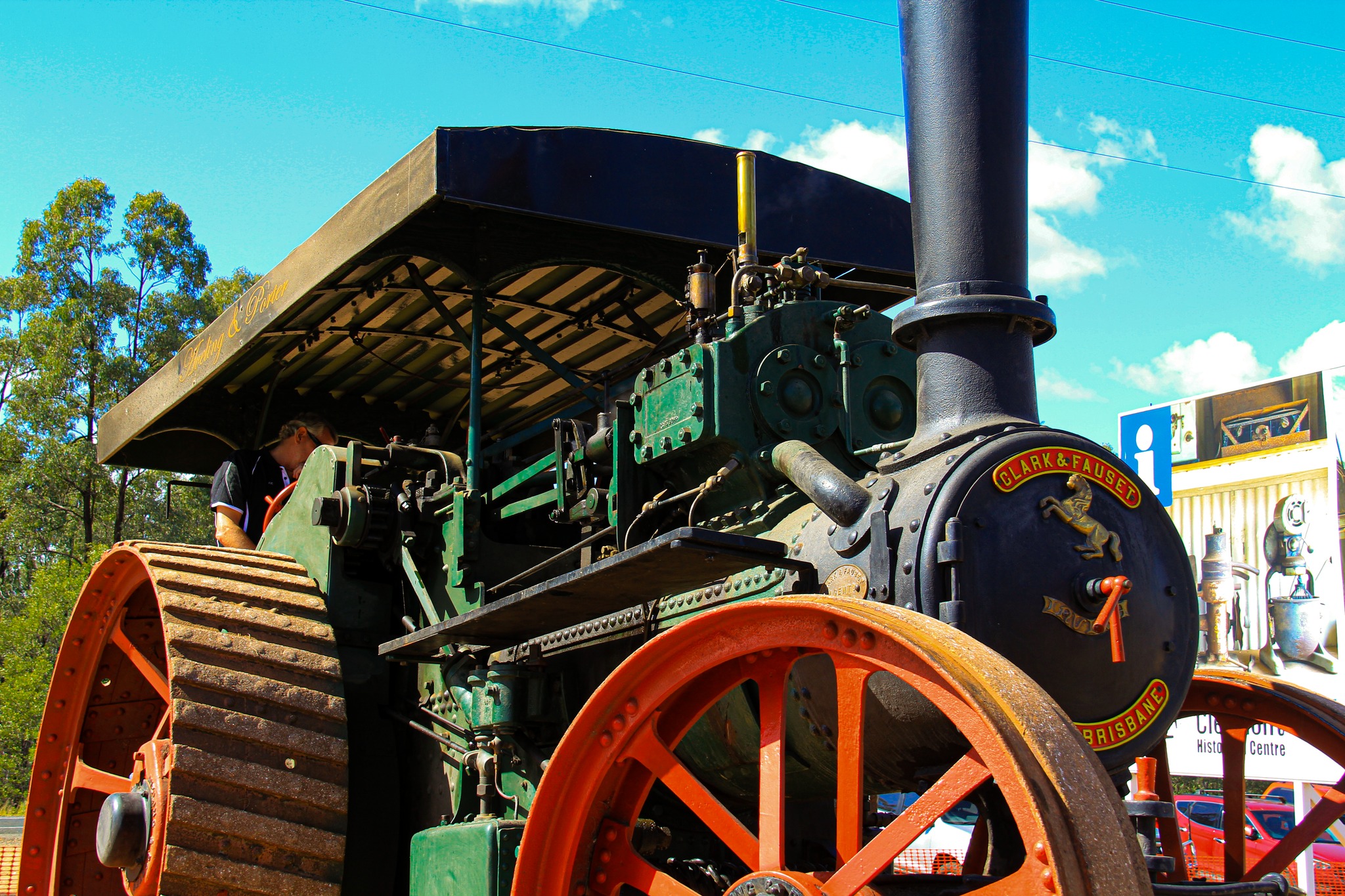
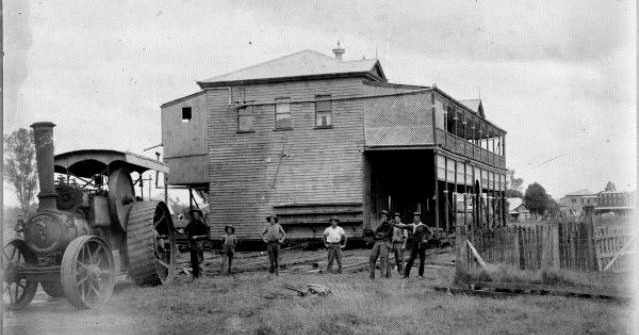
The flood itself killed over 60 people in the town and destroyed many of its buildings. Afterwards, the town’s surviving residents voted to relocate all that they could to a safer location. The steam engine at Clermont Museum is one of two that was used in the relocation efforts.
…
Located on the Capricorn Way, and just around the corner from the iconic Tree of Knowledge and the birthplace of the Australian Labour Party, is the Barcaldine and District Historical Museum.
Showcasing the history of the Barcaldine district within the old National Bank building are items from local properties, households, and businesses. My favourite by far, however, is Daph’s boiled fruit cake, baked in 1976, memorialised in a glass dome.
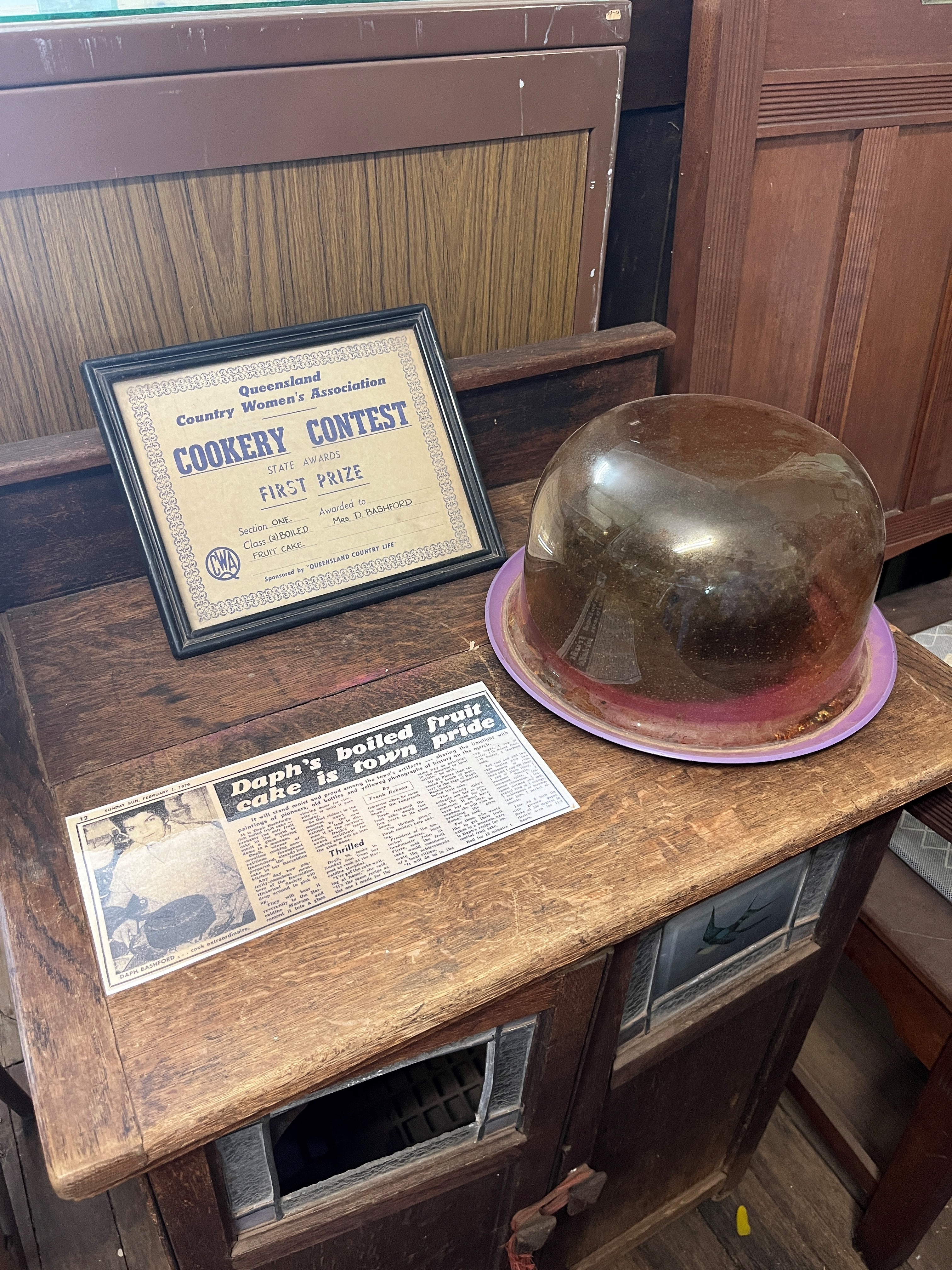
In the 1976 newspaper article displayed alongside the fruit cake, it states the Barcaldine Museum will display it, “for eternity – or until it goes mouldy.” The article also states, “Daph reckoned the fruit cake would last five years in its glass dome.”
It’s now been there for almost 50 years.
…
Back towards the coast in the Beef Capital of Australia, is the Rockhampton Heritage Village.
Within the village is a collection curated and displayed by volunteers of the Australian Country Hospital Heritage Association, showcasing 150 years of health services history in Rockhampton. Different rooms of the building are devoted to different stories; there’s a doctor’s room, a general ward, an operating theatre, a dental surgery, a pharmacy and a nurse’s bedroom.
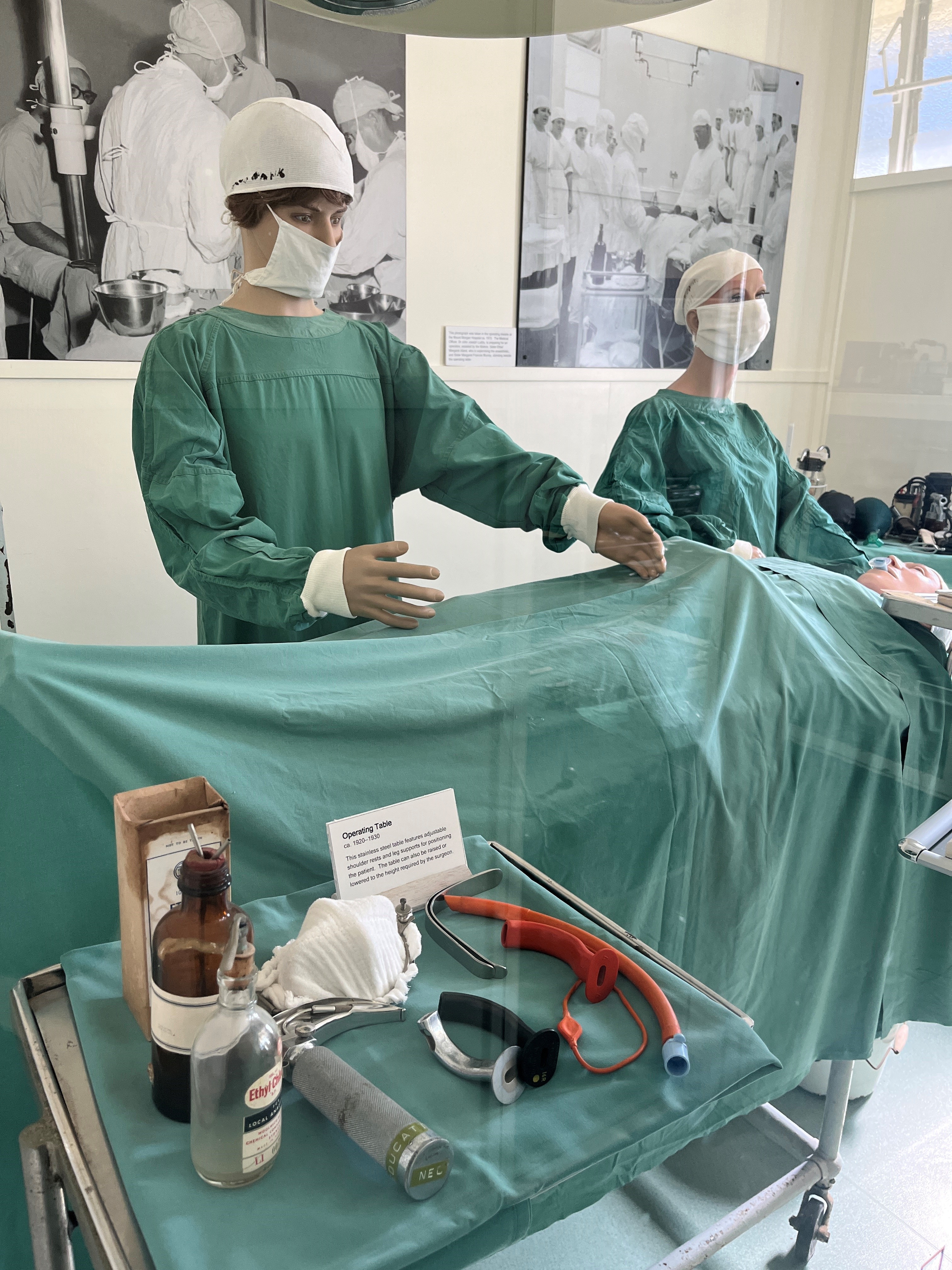
Part of the display showcases the changes in nursing uniforms in Central Queensland from the late 19th century onwards.
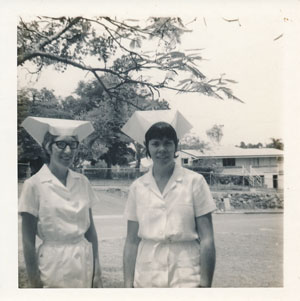
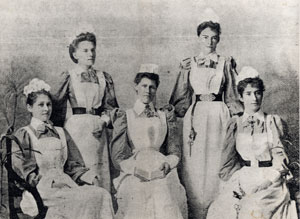

Image credit: Australian Country Hospital Heritage Association Inc.
Alongside photographs and mannequins in uniform is a locally curated doll collection illustrating the style of uniforms worn by nurses at Rockhampton Hospital from 1885 to 1992. They were dressed by Jan Aust, a clinical nurse from the hospital, and show changes to the uniforms throughout the years and for different nursing roles.
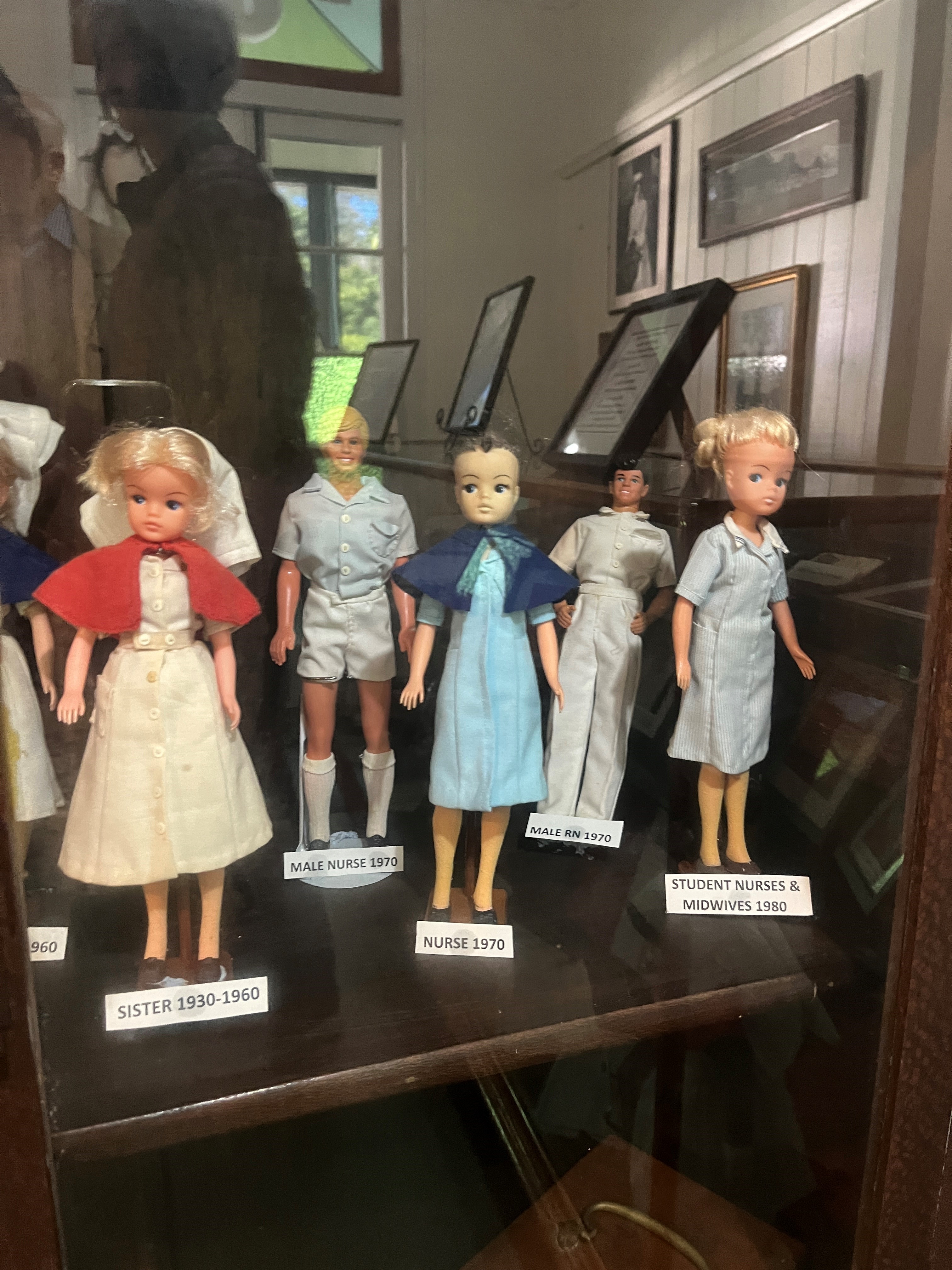
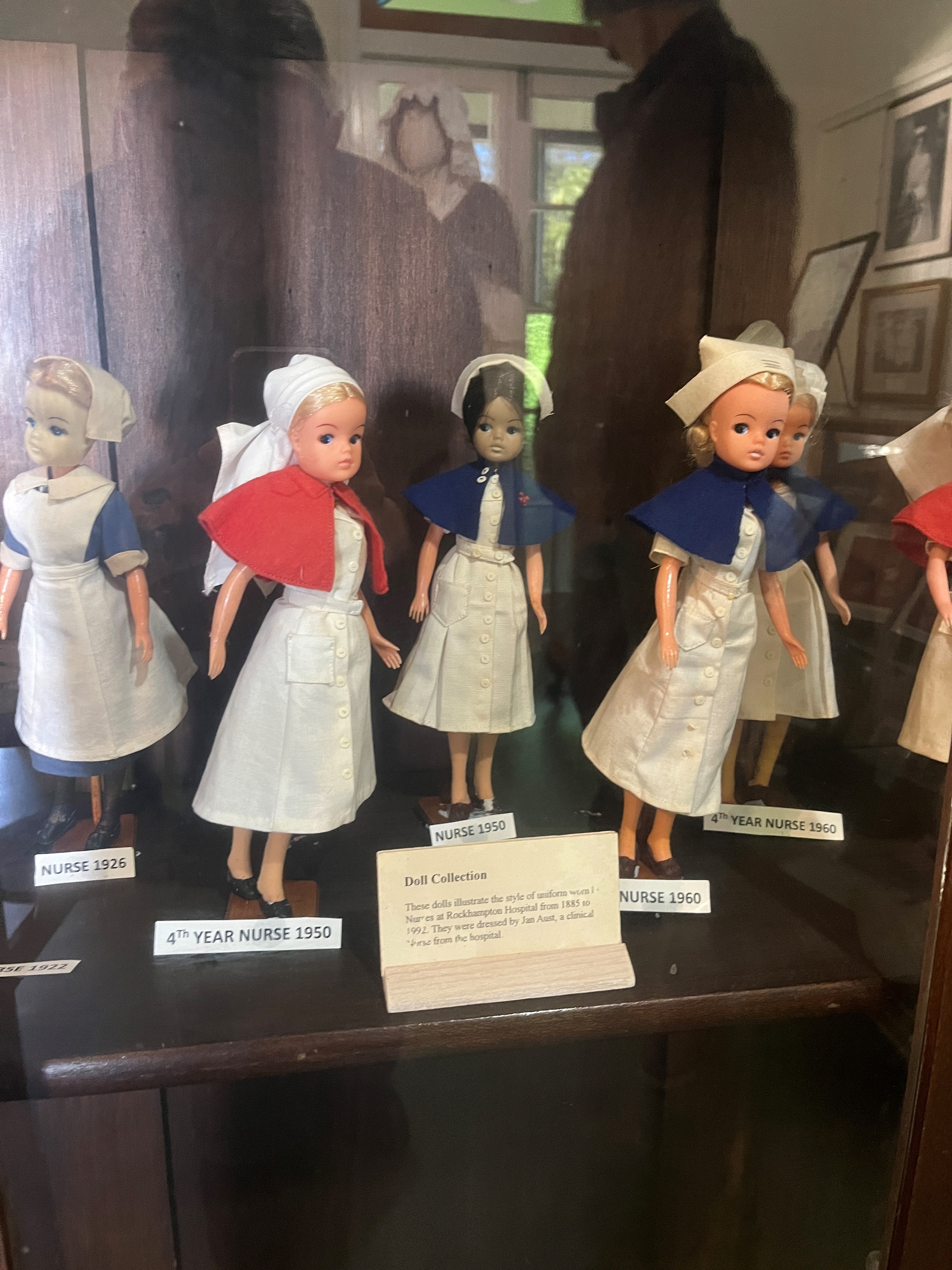
…
Trail further out west to wonderful Winton and you’ll find Willie Mar’s Fruit & Vegetable Shop and Market Garden.
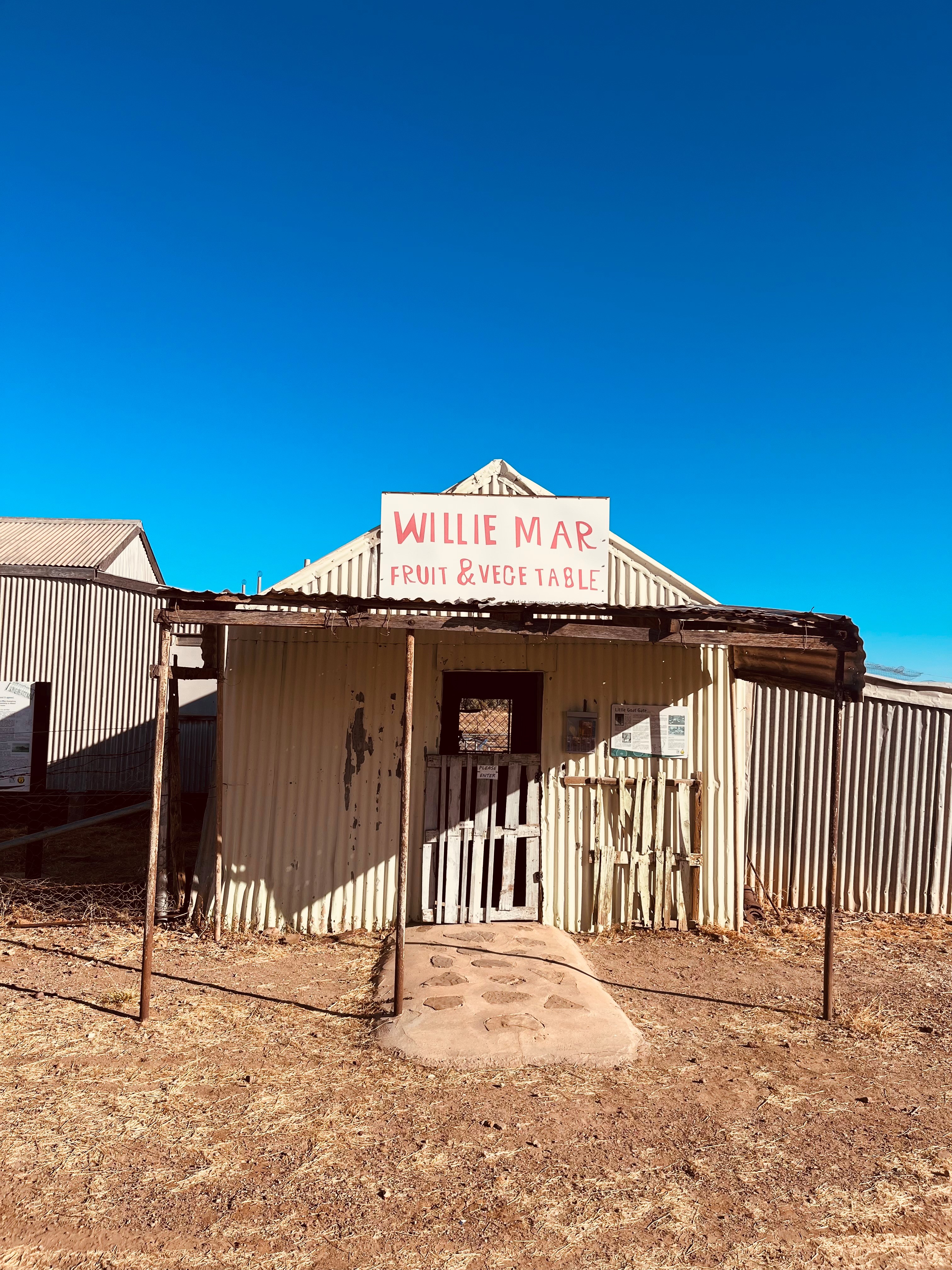
Opened by Willie Mar Senior in 1923, the Chinese market garden made sure the locals had access to fresh fruit and vegetables in the outback – something not always easy to come by.
Willie’s son, Willie Junior, took over the reins of the market garden and shop, and it remained open until a flood in 2000 damaged the site. If you visit now, you can take a self-guided walk through the market garden and peek inside the once thriving store.
…
While not a museum as such, the Baralaba and District Historical Society are telling stories from their community through interpretive signs placed at different locations around the township. Their Baralaba Memories project has also included an oral history project where the stories of six local residents have been recorded for use online and in more signage to go up in the Baralaba township.
One sign speaks to the history of the Old Crossing at the Dawson River. John Maclean, one of the residents recorded in the oral history project, told this story about crossing the Dawson River:
“Pat…came in on this Friday evening, called here about eight o’clock, and said, “John, would you take me to the river and bring my car back?” So, away we went to the river… What he got into was a car tube, just a pumped-up car tube…[he] sat in it, and they’d made little things with paddles on them. And I shone the lights at the far side, and Pat just gets in this tube, paddles it right out… No trouble. You can’t get into any trouble with a car tube.”
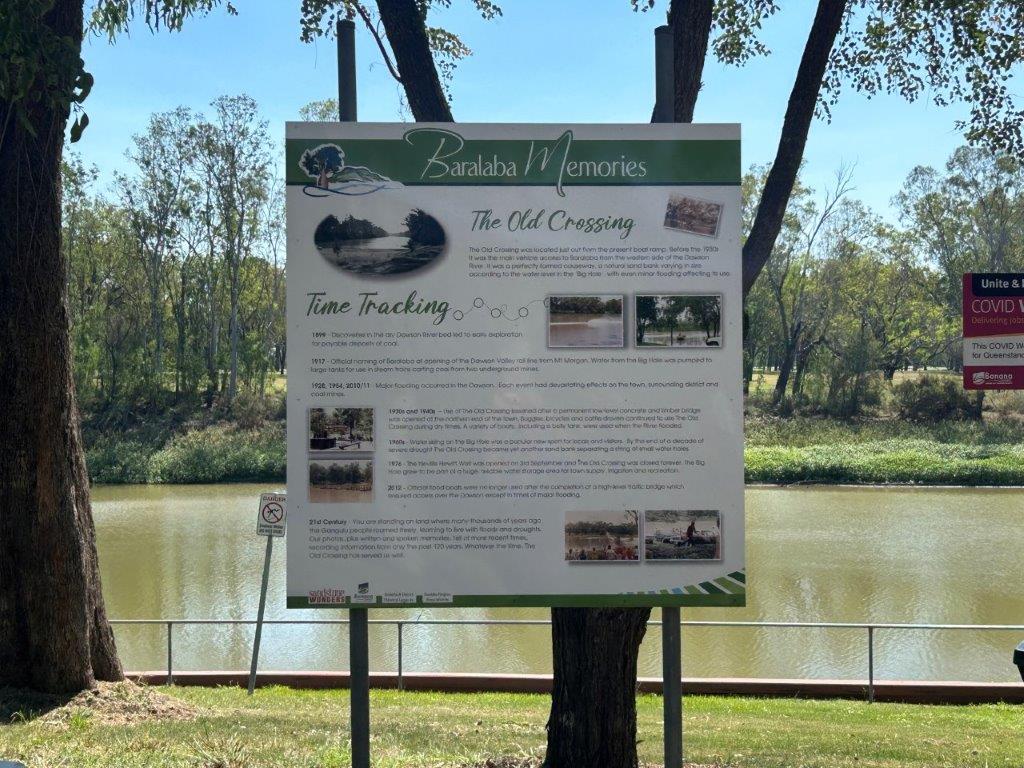
This is only a small taste of the many wonderful and wacky offerings across regional Queensland. And yes – there are endless more things to see, learn, and giggle about (and maybe take inspiration from, if you’re interested in learning how to make Daph’s iconic fruit cake). Maybe next time you head off on holiday, you’ll think about stopping into that roadside museum you never thought to visit.
 Queensland Museum & Community Collections
Leave a comment