
Following on from Ewen’s exploration of the Overlanders Way (see here), we’re moving down to Southern Inland Queensland now to follow the Warrego Way. Stretching from Brisbane in the east all the way to Birdsville in the west, the Warrego Way showcases some amazing landscapes, towns and of course, heritage – both cultural and natural. From grand houses to slab huts, tales of industry to stories of resilience, the Warrego Way showcases all these and more.
Brisbane to Ipswich
I’m treading in our Senior MDO Josh Tarrant’s region here, so I’ll just nod to some of the great spots in his region.
Ipswich Art Gallery: Not just a gallery, but also a social history museum and with an interactive kids space, Ipswich Art Gallery sits in the iconic Town Hall. Its collection includes objects and artworks tracing Ipswich’s early social history. Perhaps take in a wander around historic central Ipswich after your visit.
Ipswich Historical Society/Cooneana Heritage Centre: This sprawling site contains historical photographs, artifacts, traditional crafts, and coal mining displays that showcase the rich and diverse history of Ipswich – Queensland’s oldest provincial city. With a mix of living heritage practgicitoners regularly on site such as metal artisans, blacksmiths, fibre artists and miniature object makers, as well as historical displays and objects, Cooneana Heritage Centre provides a glimpse into the past of this important town.
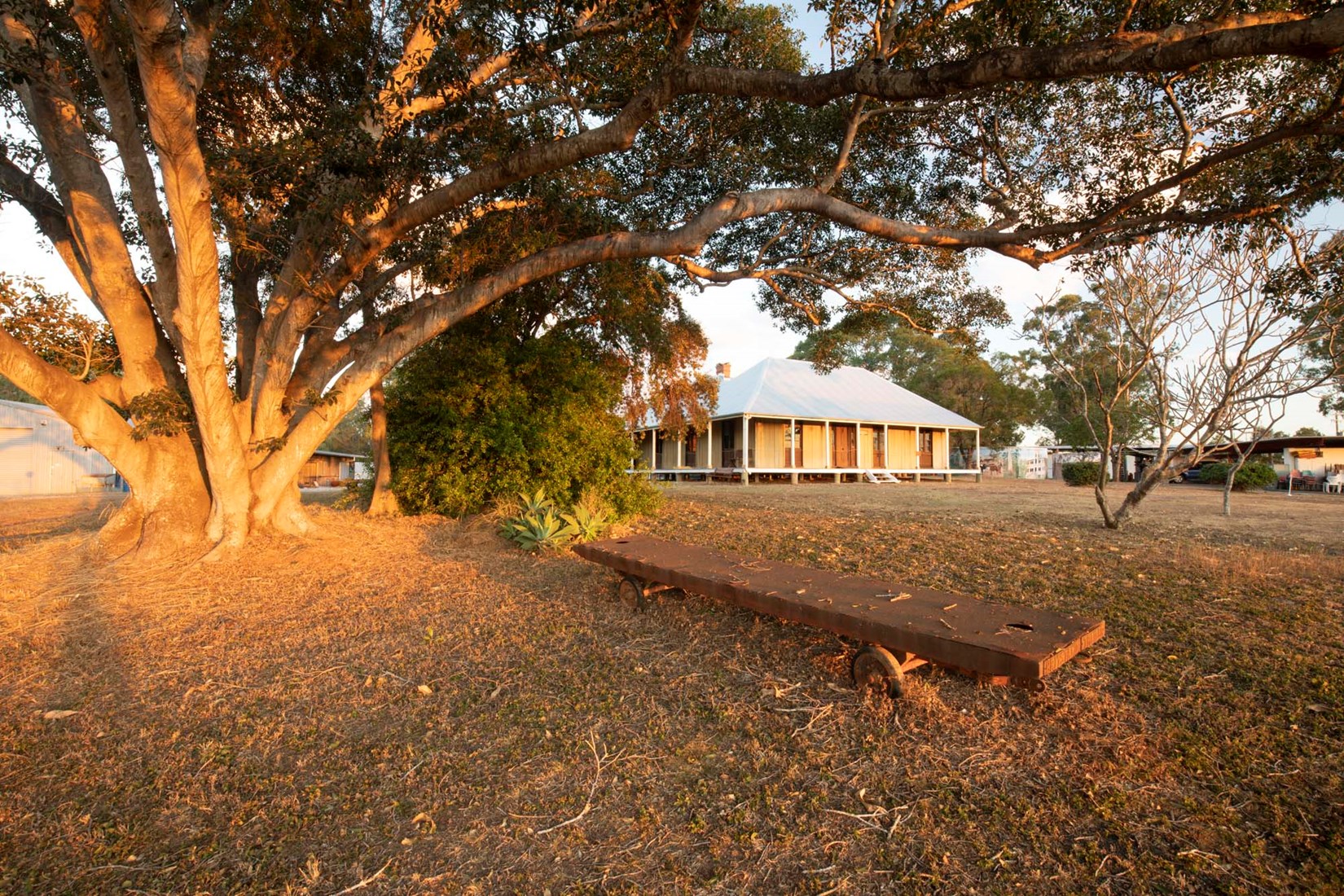
Ipswich Hospital Museum: Ipswich Hospital Museum is located on the ground floor of the renovated Jubilee building, on the grounds of Ipswich Hospital. It opened on 3 March 2010, exactly 150 years to the day when the hospital admitted its first patient. The Museum addresses contemporary issues as well as providing links to past hospital practices and staff.
Ipswich Soldiers Memorial Hall Museum: With a collection primarily relating to people from the greater Ipswich region, the Soldiers Memorial Hall Museum provides an overview of the experiences of war through objects, photographs, archives and more.
Ipswich to Toowoomba
The Garden City sits atop the Great Dividing Range, and is a wonderful starting point to explore the heritage opportunities in the Lockyer Valley and throughout the Darling Downs to the west.
Laidley Pioneer Village and Museum: Queensland’s first Pioneer Village has extensive displays of objects relating to early people and industries in this incredibly fertile agricultural region. Open 7 days a week,the Village is also home to no less than three ghosts.
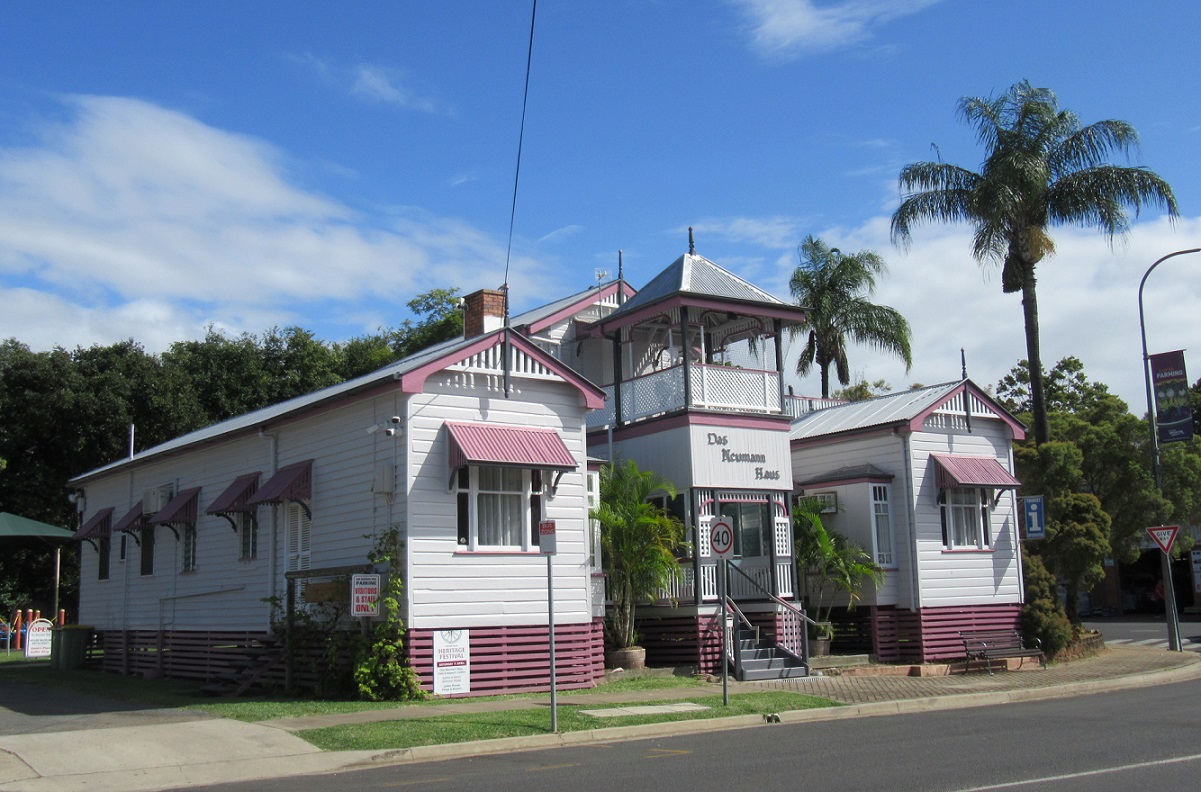
Das Neumann Haus: Constructed by German immigrant Hans Neumann in 1893, this striking lavender house shares the family history of the Neumanns as well as exploring the wider social history of the area. The museum portrays the lifestyle, hobbies and business interests of the family, circa 1930.
Gatton and District Historical Society: With 18 buildings to explore, the Historical Society has put together arrangements of objects and stories which share stories of living and working in the Lockyer Valley in the 19th and 20th centuries.
Jessie’s Cottage: A little off the Warrego Highway, Jessie’s Cottage at Murphy’s Creek holds many records, stories and information on families who have resided in the area, and still collects oral histories from locals today. The cottage was built in 1899 by a Scottish family, and was restored in the 1990s.
Toowoomba to Dalby
Heading west across the Darling Downs, the importance of agriculture to this region becomes more and more evident, and this is reflected in organisations sharing stories of the past.
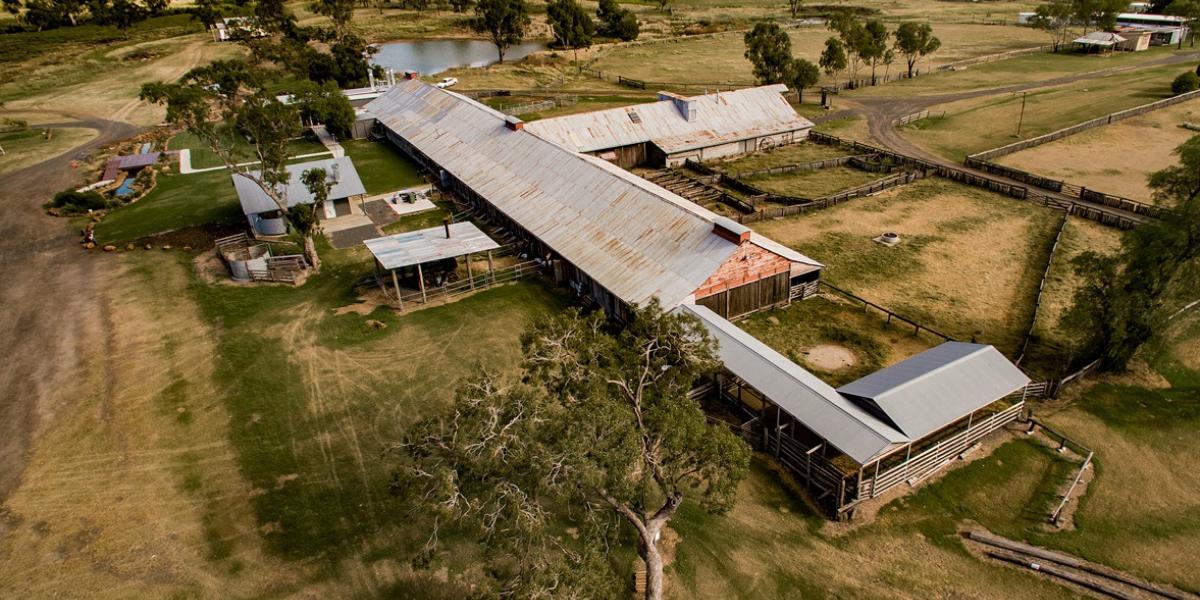
Jondaryan Woolshed: One of the oldest and largest woolsheds in Australia, Jondaryan Woolshed and grounds offers visitors a sense of the importance of sheep and wool to Queensland, as well as providing hands on experiences for visitors of all ages. The woolshed was constructed in 1859, following the destuction of an earlier shed during a worker’s strike.
Dalby Pioneer Park Museum: With an extensive collection of operational tractors and other agricultural machinery, Dalby’s Pioneer Park showcases the industries and technologies that have shaped this landscape over time.
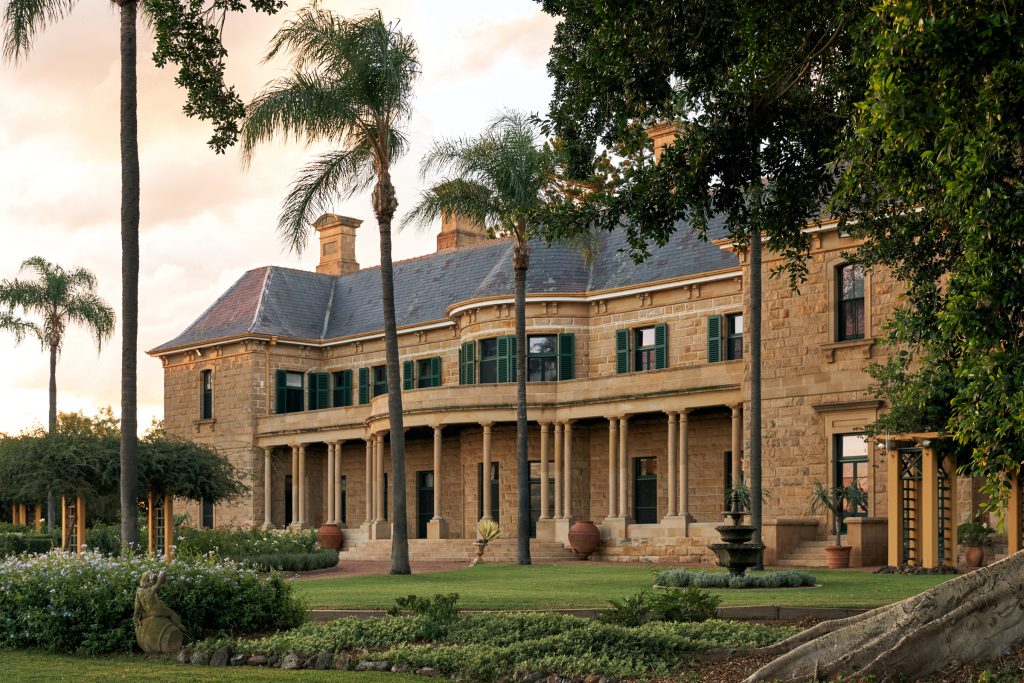
Jimbour House: Open for guided tours only, the immense sandstone house was first built in 1875 as the centre of a huge sheep property. Explorer Ludwig Leichhardt stayed at Jimbour in a slab hut in 1844, before the big house was constructed. Jimbour Station was the first fully stocked station on the Darling Downs. After periods of disrepair the house was renovated in 1925, and served as a family home for the Russell family. Further renovations were completed in 2011.
Dalby to Chinchilla
Known for its melon festival, petrified wood and cactoblastis monument, Chinchilla is the next stop west on the Warrego Way.
Chinchilla Historical Museum: With a selection of important buildings from Chinchilla’s past, the Chinchilla Historical Museum explores key stories of the region’s past. Displays include the ancient petrified red gum found in the area, the story of how prickly pear was eradicated, and the Turkey Mountain fire cabin, used by Italian and Albanian internees during World War Two as forestry work was undertaken around Chinchilla.
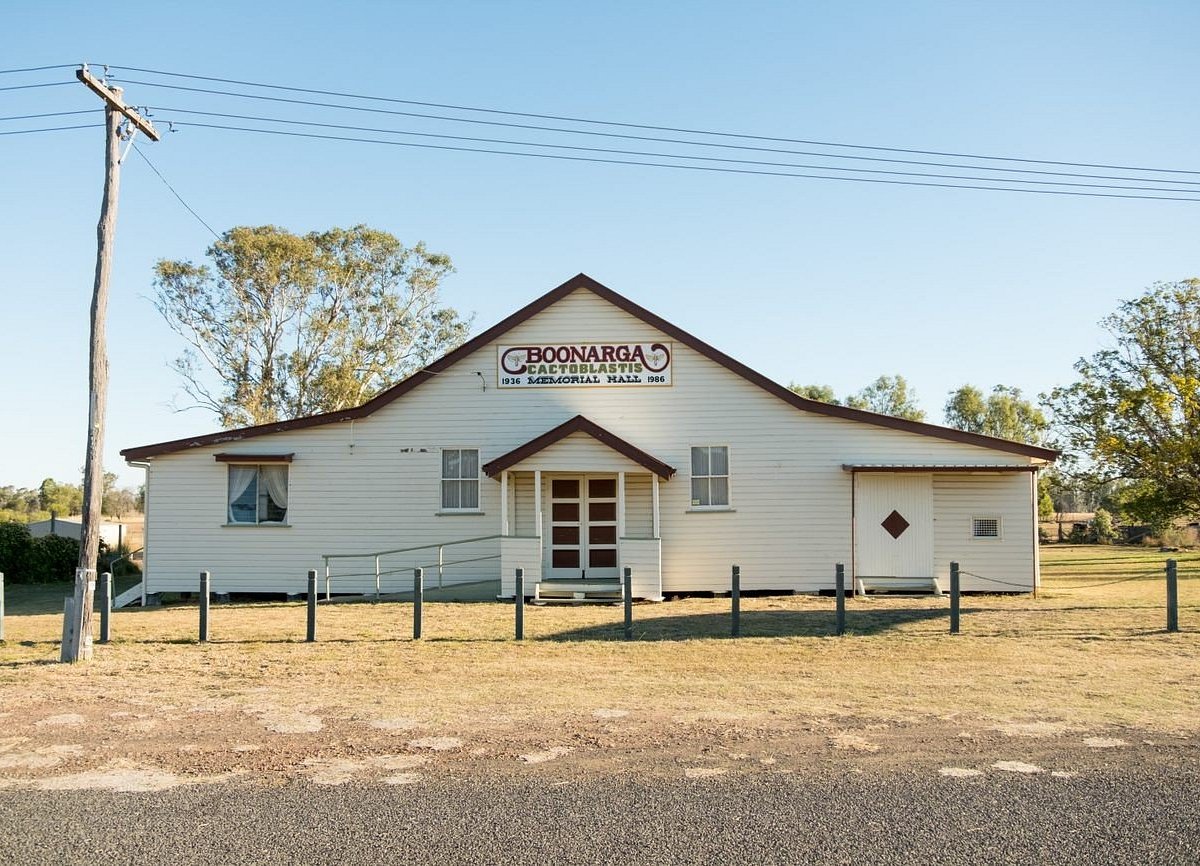
Cactoblastis Memorial Hall, Boonarga: The catcoblastis moth is one of the few examples of an introduced predator which hasn’t taken over! The hall commemorates the Cactoblastis caterpillar which was introduced from South America to eat the prickly-pear cactus that was invading agricultural land. The moth was so good at its job, the locals at Boonarga fundraised to build a hall celebrating its work.
Chinchilla to Miles
Miles makes for a relaxing stop on the highway west.
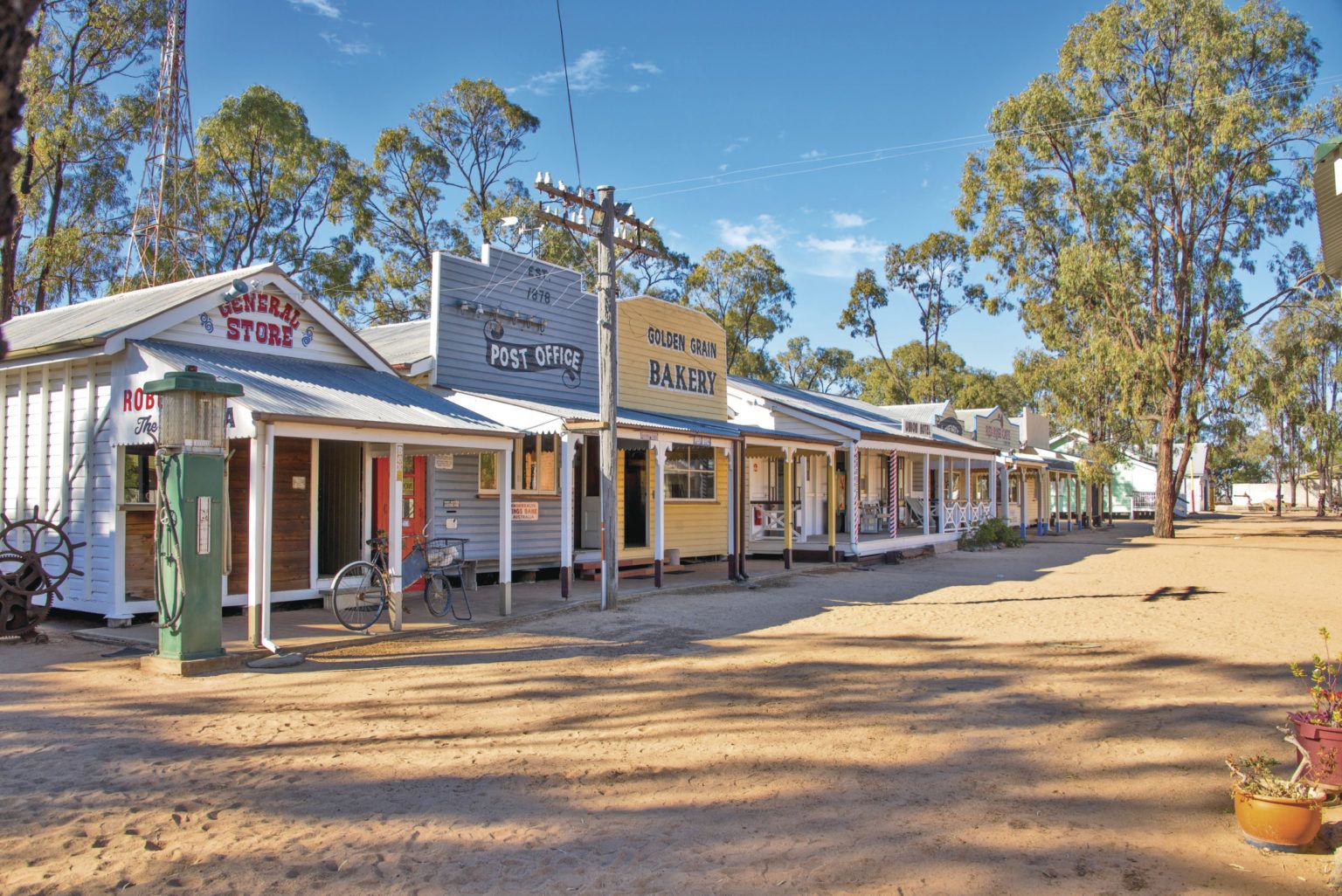
Miles Historical Village: With over 30 historic buildings onsite, there is plenty to explore at this well-known spot! As well as a charming historic streetscape, the historical village has unique collection displays of lapidary and shells, as well as a newly developed display about the Great Artesian Basin.
Miles to Roma
Calico Cottage Heritage Complex: The Heritage Complex offers fascinating insights into Wallumbilla’s history and way of life, while the historic Grain Shed—one of the last of its kind—provides a glimpse into the town’s agricultural and railway heritage, having once stored goods for train transport.
Surat Cobb and Co Changing Station: With regularly changing social history and art exhibitions, the small town of Surat always has something new to see and is worth the detour off the Warrego. Discover more about the final Cobb and Co coach run in Australia between Yuleba and Surat, and discover more about the mighty Balonne River and its inhabitants.
The Big Rig: Standing tall above the town of Roma as you enter town, the Big Rig explores the history of oil and gas extraction in the Surat Basin. With a night show on offer as well as guided tours, the site provides a glimpse into the trials and triumphs of the important industry.
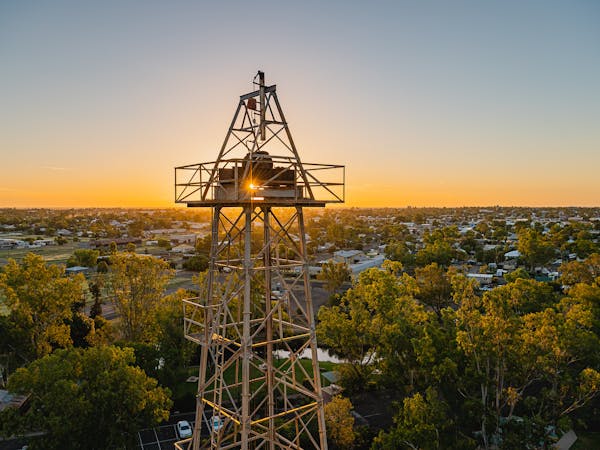
Roma Saleyards: The largest cattle selling yard in Australia, the Roma Saleyards give visitors a taste of this bustling place and this important industry. The Val Harms Interpretive Centre is open daily for visitors to experience how this place works, and guided tours can be taken on Tuesdays.
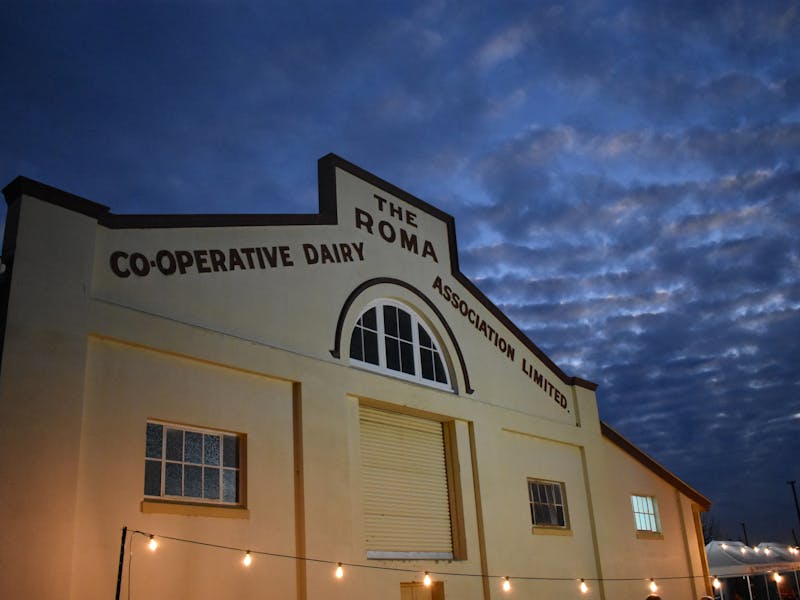
Roma Butter Factory: The Butter Factory building is being progressively restored and will celebrate the dairying industry in the Maranoa region. Keep an eye out for their regular markets and special events which see this gorgeous building brought to life.

Roma to Mitchell
With bubbling artesian water and fascinating bushranger history, the road to Mitchell has many good places to stop and explore.
Mitchell Museum: Also known as the Booringa Heritage Museum, reflecting the original shire name of the area, the Mitchell Museum has a varied collection relating to the lives and work of the Booringa Shire residents.
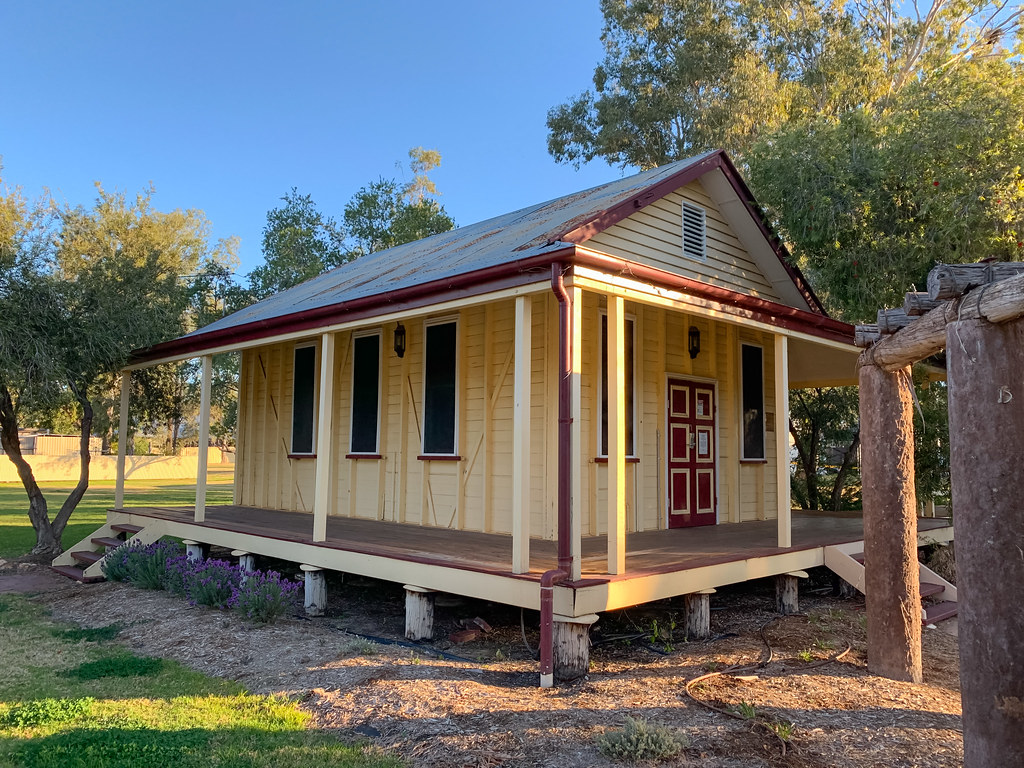
Kenniff Courthouse: Mitchell’s original courthouse shares the story of the Kenniff brothers, the last bushrangers to stand trial in Australia. Displays at the courthouse tell the story of these infamous locals who stood trial for the gruesome murders of Constable George Doyle and Station Manager Albert Dalke in 1902.
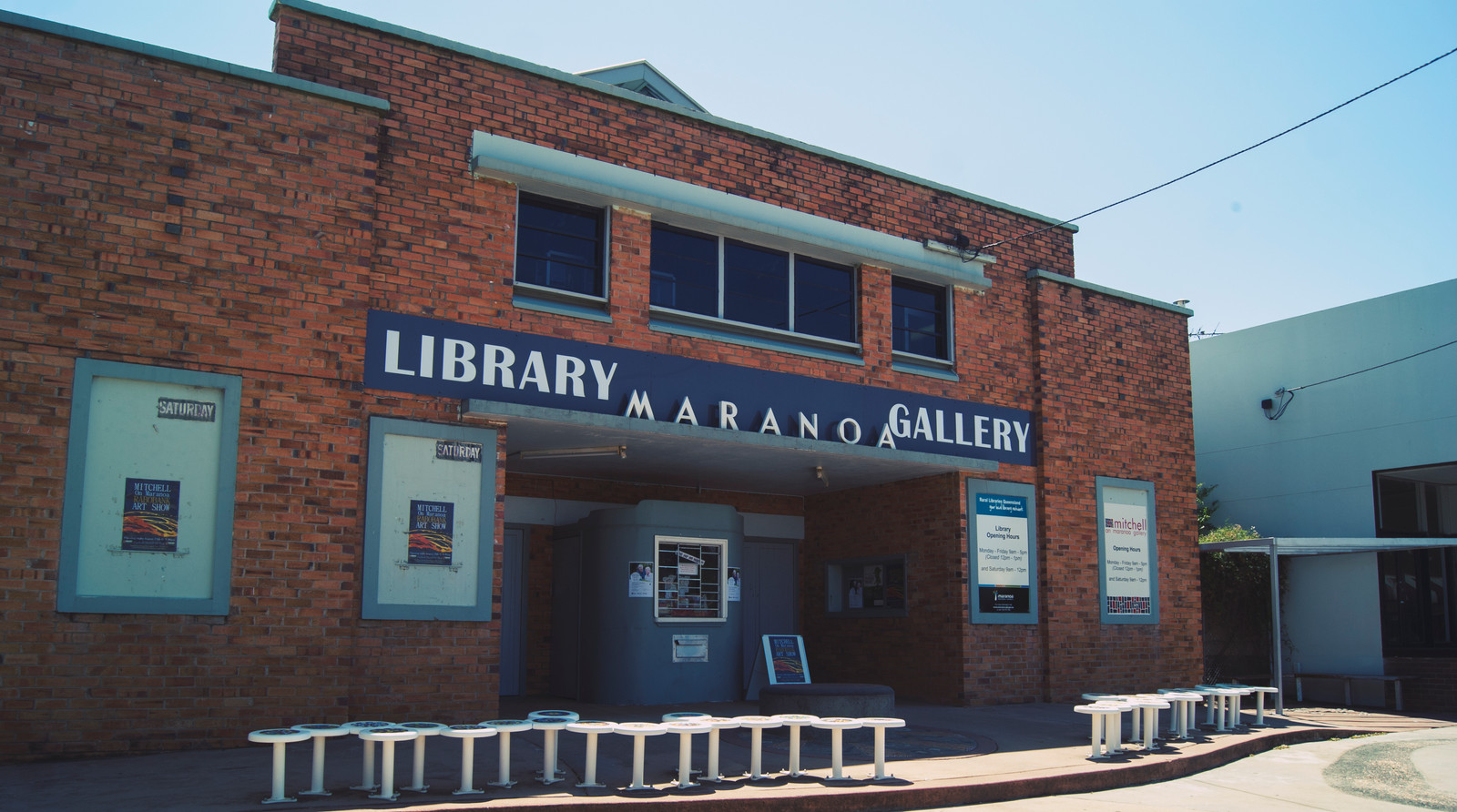
Maranoa Theatre: Go behind the scenes of this glamorous picture theatre and relive the golden days of film in the regions. The theatre is also home to Mitchell’s art gallery, showcasing the talent of locals with regularly changing displays.
Mitchell to Morven
The townships get sparser as the landscape shifts from brigalow to mulga, but there is still plenty of history on offer in Morven.
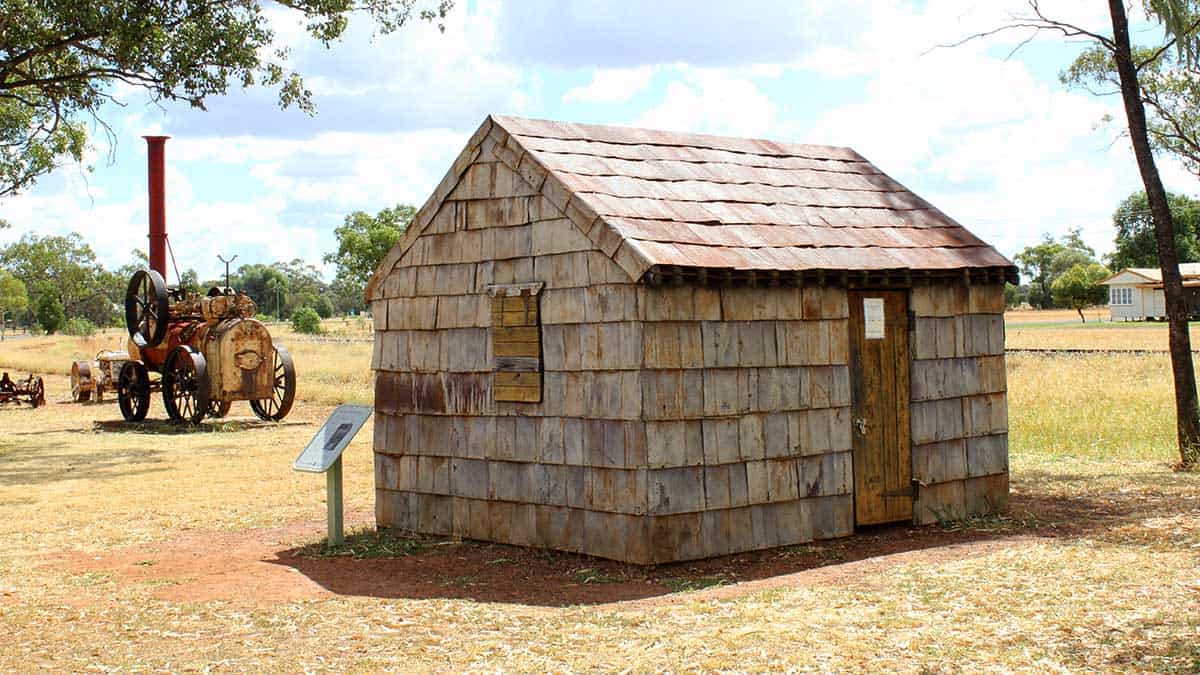
Morven Historical Museum: The trials and triumphs of outback life are proudly displayed at Morven Museum, including a hut made from kerosene tins, testament to the ingenuity of early settlers during the Great Depression.
Morven to Charleville
If time is on your side, take a detour to the town of Augathella – off the Warrego Way but with a newly opened ‘Augathella Experience‘, sharing the stories of the region particularly the ‘Smiley’ films, based on the experiences of author Moore Raymond’s childhood in the town.
Charleville Historic House Museum: Full of treasures from Charleville’s past and present, the old Queensland National Bank Building is one of Charleville’s earliest buildings and now a museum. Discover more about the lives of those who called Charleville home, and find out more about iconic objects like the rail ambulance and fire engine.
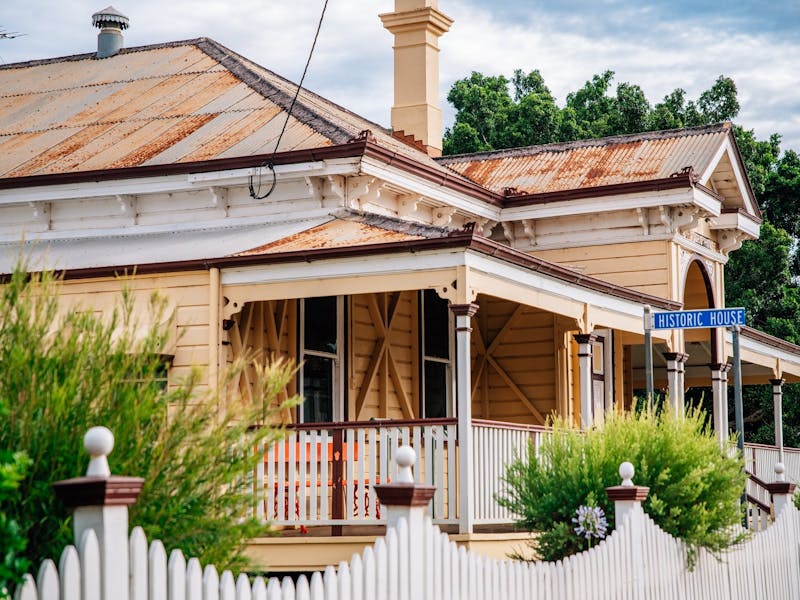
SES Flood Display: The enormous and devastating floods of 1990 still loom large in the memories of locals in Charleville today. Find out more about this event at the SES Shed display, and how Charleville has adapted to prevent a disaster like this again.
World War Two Secret Base: Charleville’s remote location meant it served an important role during World War Two, with 3500 American troops stationed there. Find out more about this relatively unknown piece of Outback history at this interactive display.
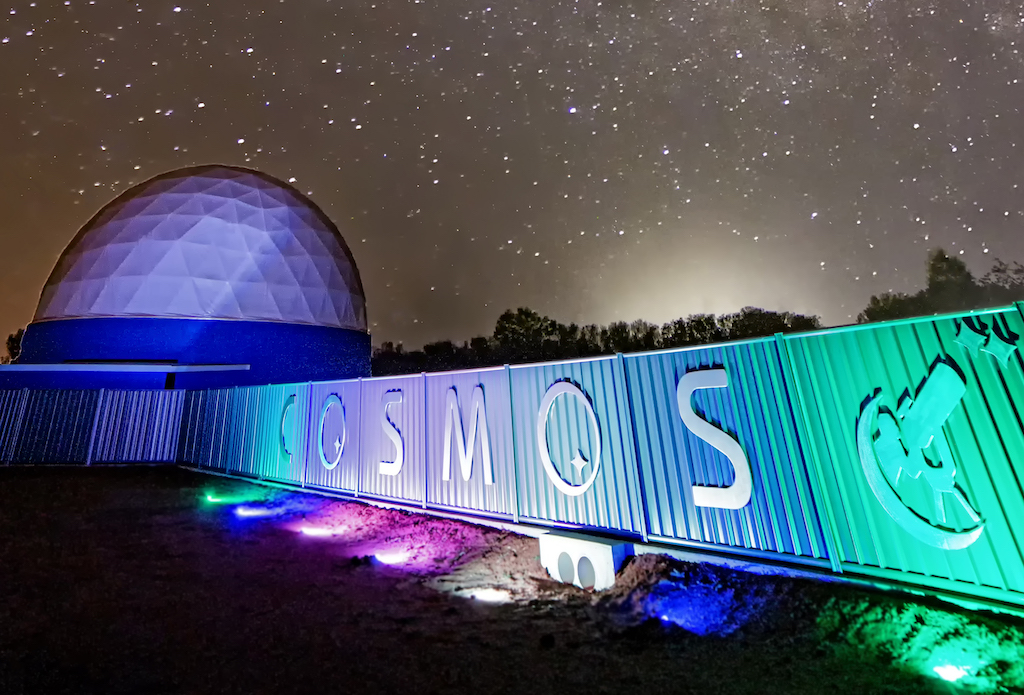
Charleville Cosmos Centre: With skies untouched by light pollution, Charleville is the ideal place to explore the universe. The interactive displays give visitors a detailed view into the solar system and beyond, before an exploration of the night sky.
Bilby Experience: Get up close and personal with these rare eco-engineers, and find out more about the lengths scientists and volunteers are going to in order to protect them. A fun way to explore our natural history as well as experience the cuteness!
Hotel Corones: Standing at the centre of Charleville, the hotel was the focal point for a bustling 1930s economy, welcoming many famous people, aviators and royal family. It represents a major part of the town’s historic rise to prominence at that time. Still open for a meal and a cold drink, a tour of the historic pub sheds light on some of the quirky tales (and a ghost or two) lingering in the walls.
Charleville to Quilpie
On the Warrego to Quilpie, take a detour to Baldy Top and appreciate the ancient landscape stretched out below.

Quilpie Visitor Information Centre, Museum & Gallery: Staffed by passionate locals, the Visitor Information Centre also includes a Museum exploring the important stories of this huge shire. Stories of opal mining, cattle barons, and the native landscape are just some of the topics on show, alongside changing exhibitions from local artists.
Quilpie Shire Rail Museum & The End Of The Line: Housed in what was originally the railway station for Cheepie, the rail museum shares the important history of rail to the region. Construction on the Charleville to Quilpie line began in 1911 and reached the site of Quilpie in 1917. The Rail Line was originally supposed to extend further west but due to the constraints of war, the extension never eventuated, leaving Quilpie the official “End of the Line”.
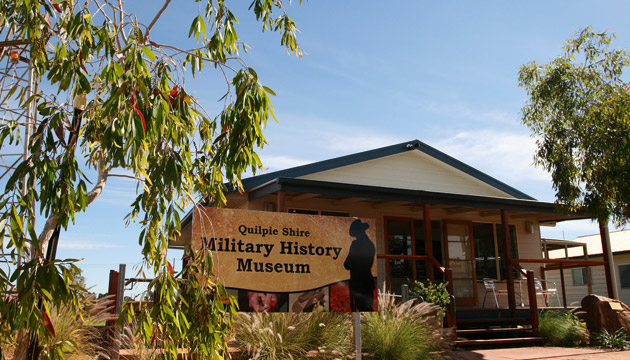
Quilpie Military Museum: Next to the Visitor Information Centre, this display proudly recognises the service people from the Shire have offered to their country.
St Finbarr’s Church and Opal Altar: Reflecting both the Durack family (of ‘Kings in Grass Castles’ fame) and the importance of opal mining to the region, St Finbar’s opal altar and church are quite the spectacle.
Quilpie Powerhouse Museum: Quilpie was the first town in Queensland to have a dedicated powerhouse, supplying electricity to outlying properties. The powerhouse was closed after the shire was connected to the coastal grid in 1988, but still retains its diesel engine.
Quilpie Airport Mini Museum: Originally the site of a busy wool scour, the current airport site also had a visit from famed aviator Amy Johnson.
Quilpie to Windorah
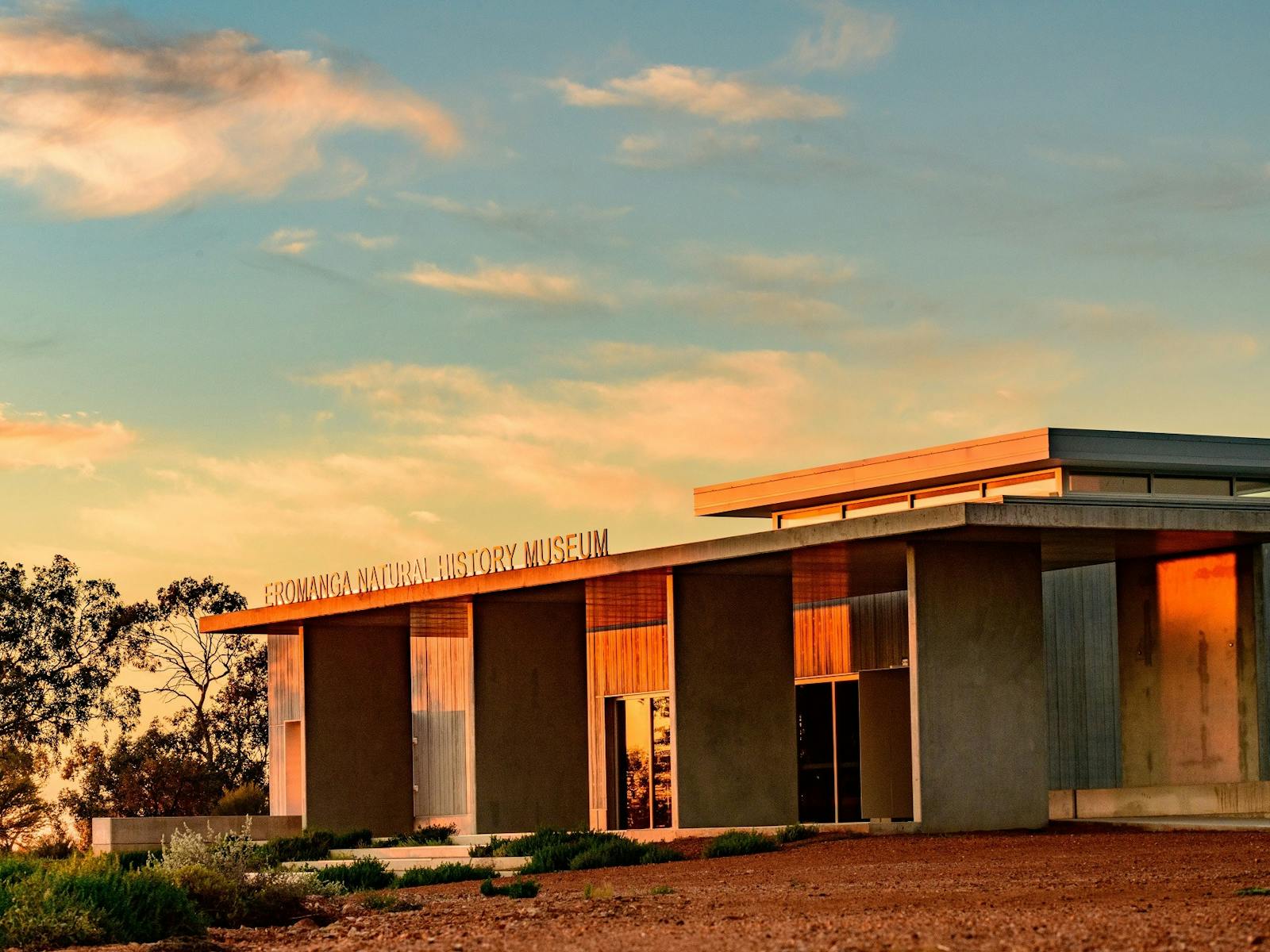
The Warrego heads west into the lands of dinosaurs now, with wide open views in every direction. Take a detour on the Cooper Developmental Road to the Eromanga Natural History Museum to explore the prehistoric past of this region, including Australia’s biggest dinosaurs! Glimpse behind the scenes in the laboratory to see how museums preserve fossilised artefacts before heading on to Windorah.
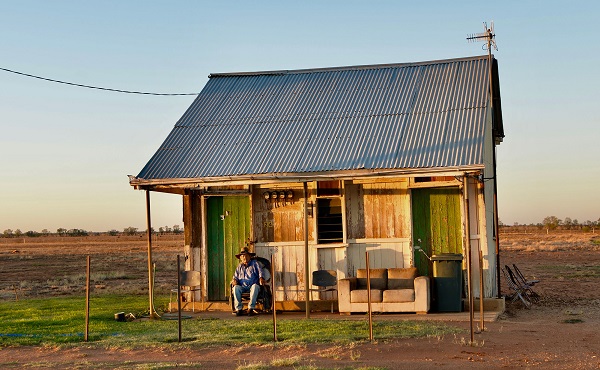
Whitula Gate Museum: Alongside Windorah’s visitor centre, the Whitula Gate Museum centres on the Whitula Gate slab hut, built for boundary riders patrolling the rabbit fences. The museum explores the stories from this remote Channel Country region, and a self guided walking tour is available from the Information Centre.

Courthouse: Once used by the local police officers as a courthouse, this one room building became the home of local personality ‘Tar Pot’ and is one of the Outback’s most photographed buildings!
Windorah to Birdsville
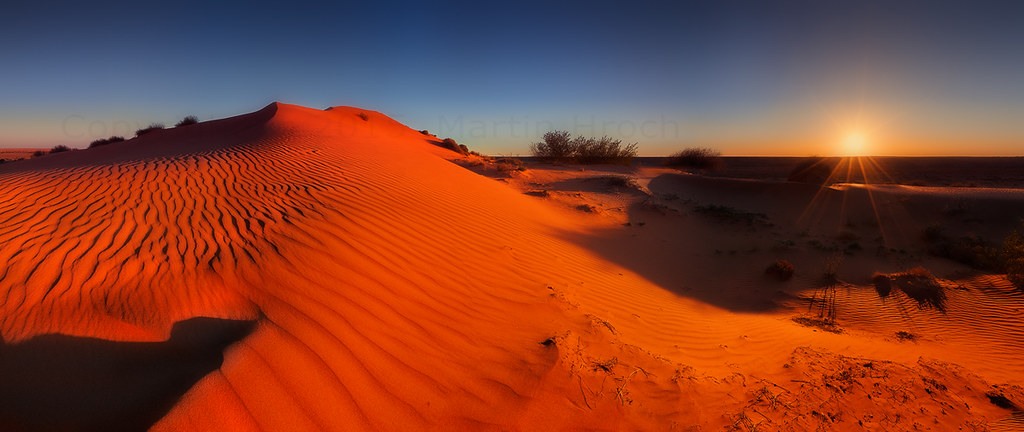
The final stretch of road to Birdsville is not for the faint-hearted – unsealed roads become treacherous in rain. However the claim to fame of the largest area of parallel sand dunes in the world, along with uniquely Birdsville history and culture, make the town worth the trip. Alongside the iconic Birdsville Pub and races, the Visitor Information Centre also provides an insight into the rich Indigenous histories of the remote place.
Birdsville Courthouse: Despite the tiny population, Birdsville had a courthouse and police presence from the 1880s. The courthouse was built from locally quarried stone rather than the usual timber, reflecting the expense of transporting goods such a long way. An Aboriginal tracker was also stationed at the site from 1884 with their hut still remaining on site. The courthouse remained in use through the 20th century, with travellers on the Birdsville track being required to check in with police before setting out. A new interpretive experience was opened recently.
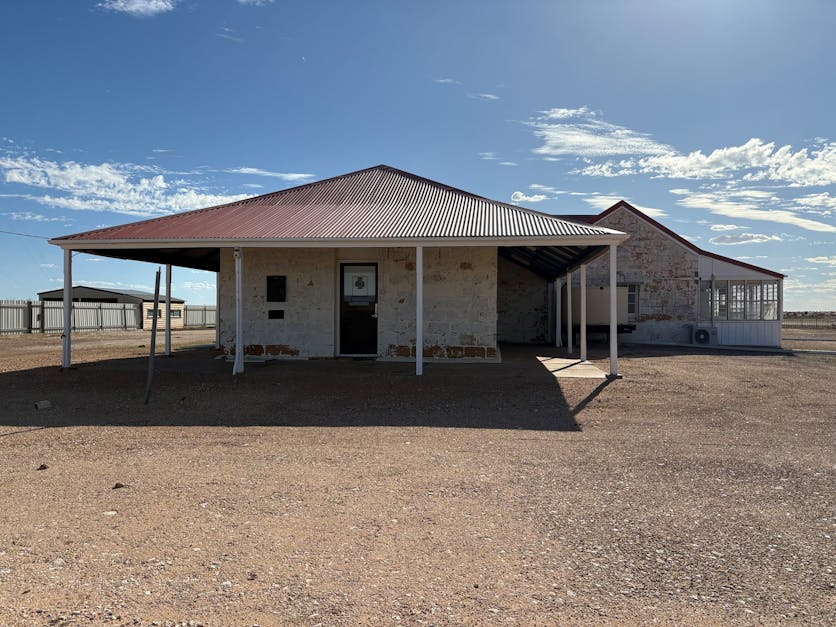
Birdsville Old Hospital Museum: Set up by the Reverend John Flynn, of Flying Doctors fame, the Australian Inland Mission Hospital was opened on this site in 1923. The Mission was also a hostel and nursing home. After the original building was destroyed by fire in 1952, the current building was constructed after an Australian-wide fundraising drive and opened in 1952. Find out more about the important community role this hospital and its staff played in this incredibly remote region.
And that’s the end of the Warrego Way! Of course there are many more sites of historical interest along this almost 1600km route – let us know what you find on your journeys through these historic regions.
 Queensland Museum & Community Collections
Leave a comment