

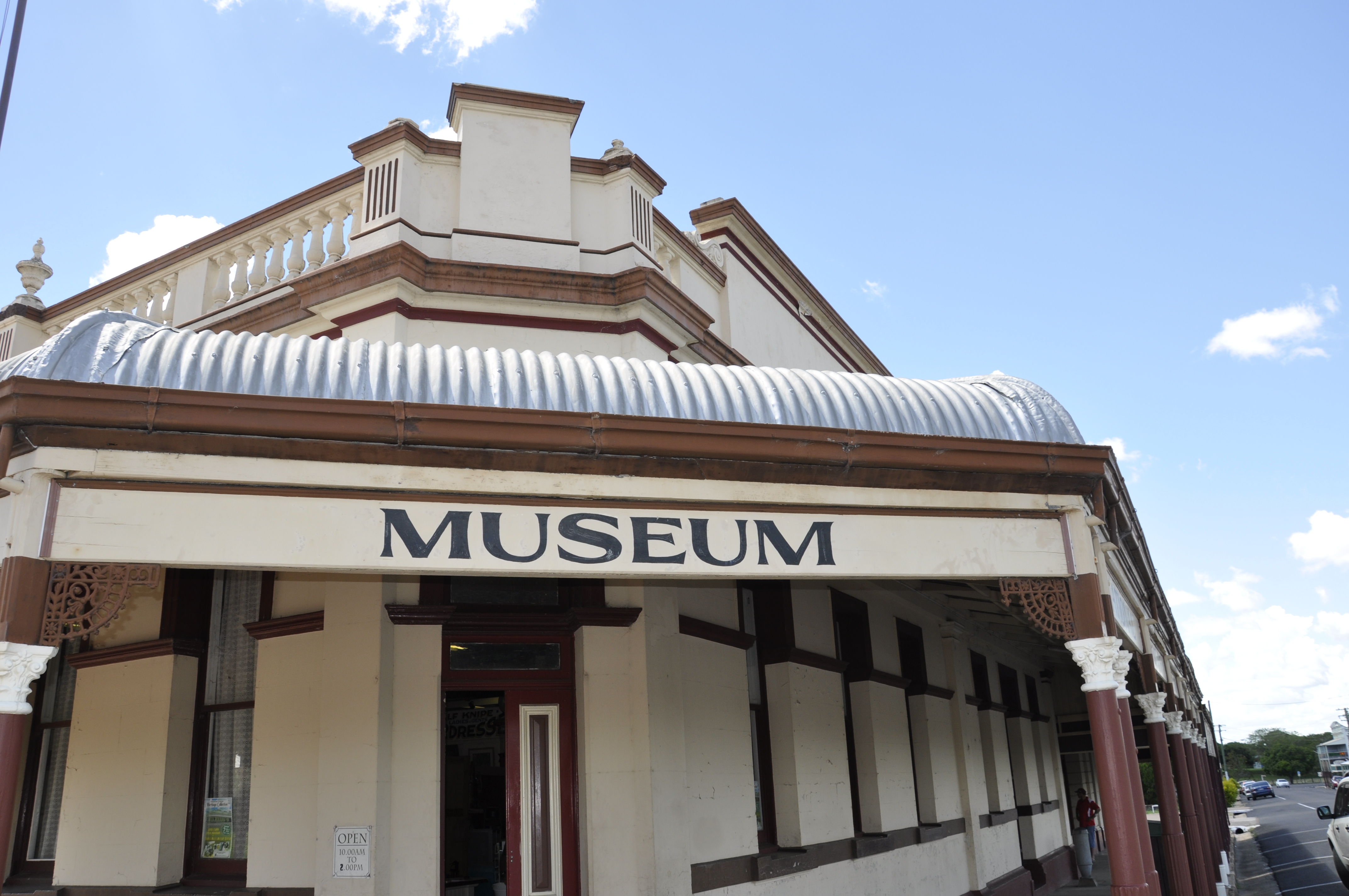
Museums and Drive Tourism in Queensland
According to Business Queensland there are many benefits of drive tourism to rural and regional businesses including:
- increased profits
- job growth
- opportunities for new business start-up
- increased demand for new products and services
- opportunities for business collaboration
- addressing skills shortages by tapping into the skills of temporary visitors.
Business Queensland measures the success of Queensland’s drive tourism strategy through the number of tourists embarking on self-drive journeys, the length of their journeys, the time they spend in particular places and the amount of money they spend. This market grew quickly during COVID as travel restrictions meant Queenslanders visited their own State. Improvements in vehicles, an increase in retirees and more accommodation options becoming available means a high level of future visitation is also expected. It is also anticipated that prior to, during and post the 2032 Brisbane Olympics, an increase of visitor numbers will occur, including intrastate, interstate and international. The new LNP government has also highlighted tourism as a major priority for Queensland.
In the current measures of success there is no recognition of how cultural heritage and the associated social benefits contribute to the visitor experience. Cultural heritage is defined in a number of ways at International, Federal, State and Local levels. Wikipedia provides the following general overview and links:
“Cultural heritage includes tangible culture (such as buildings, monuments, landscapes, archive materials, books, works of art, and artifacts), intangible culture (such as folklore, traditions, language, and knowledge), and natural heritage (including culturally significant landscapes, and biodiversity).[2] The term is often used in connection with issues relating to the protection of Indigenous intellectual property.[3]“
The majority of official websites for drive tourism focus on the natural heritage by highlighting natural places to see in the regions. None mention social value or the importance that the above definition can provide to a self-drive visitor.
The Museum Development Program provides professional services to over 400 museums in Queensland and therefore is heavily invested in ensuring that museum objects, stories, community and visitor social health are developed and maintained. We believe that Queensland’s museums offer both locals and visitors unique and engaging experiences, connecting people to places and stories which will stay with them after their visits. We see heritage attractions as an important part of regional and remote economic development opportunities, bringing in more tourists (and the important tourist dollar), as well as providing opportunities for skill development, job opportunities and community wellbeing in often very isolated places.
Self-drive routes
Over the next few weeks we will delve into some of the regional self-drive routes in Queensland that have been identified by Business Queensland. Small museums will be identified along with their collections and experiences. Museums and Galleries Queensland also list a comprehensive directory of places that are both on and off these driving routes
These self-drive routes include:
- Adventure Way (Brisbane to South Australian border)
- Warrego Way (Brisbane to Charleville)
- Australia’s Country Way (Wallangarra to Rockhampton)
- Great Inland Way (Hebel to Cairns)
- Great Tropical Drive (Townsville to Cairns)
- Savannah Way (Cairns to Northern Territory border)
- Matilda Country and Matilda Way (Cunnamulla to Karumba)
- Overlander’s Way (Townsville to Northern Territory border).
We hope you enjoy getting a glimpse into the incredible cultural and historic heritage that is flourishing in Queensland, and maybe even consider a trip to some of these wonderful places.
 Queensland Museum & Community Collections
Leave a comment